When it comes to creating a memorable product, every detail matters!
Heat transfers have become an increasingly popular choice for clothing manufacturers, fashion brands, sportswear suppliers and promotional apparel providers thanks to their clean appearance, lightweight feel and long-lasting performance. Applied directly onto the fabric using heat and pressure, they offer a seamless branding solution that complements a wide range of garments and textiles.
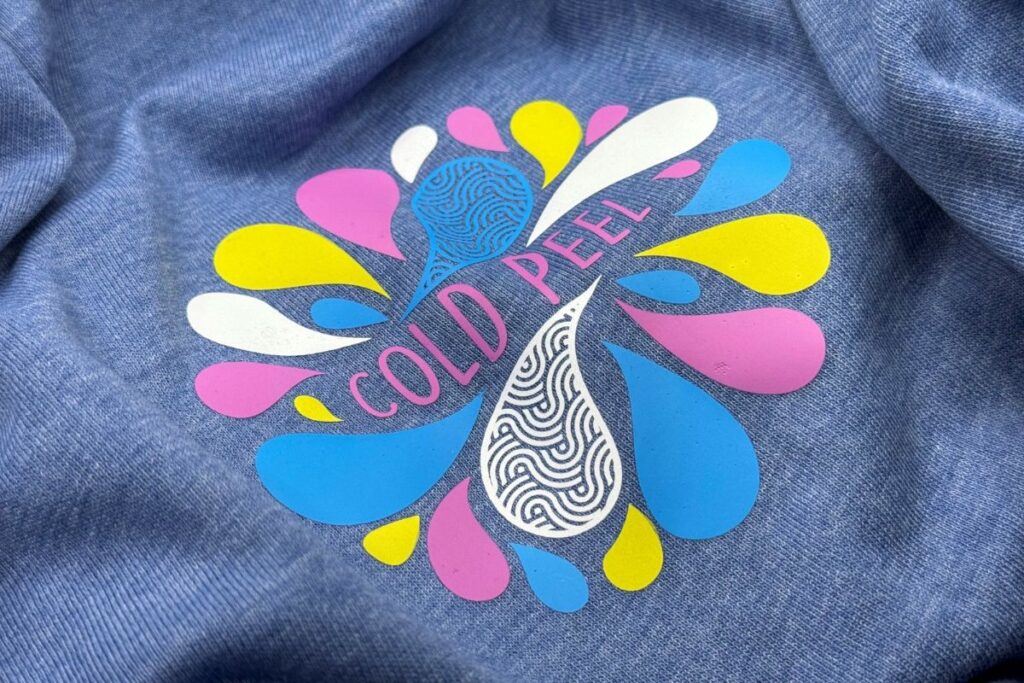
Whether you’re launching a new clothing collection, refreshing your brand or looking for an alternative labelling solution, understanding how heat transfers work can help you choose the right option for your products.
In this guide, we’ll explain what heat transfer labels are, how they’re applied, their key benefits and the industries they’re are commonly used in, helping you decide whether they’re the right fit for your next project!
What Are Heat Transfers?
Rather than being sewn into the product, the design is permanently bonded to the fabric using carefully controlled heat, pressure and time, creating a professional finish that becomes part of the garment itself.
Heat transfer labels are custom designs that are applied directly to a garment using a specialist heat press.
They can feature:
- Custom graphics & icons
- Company logos
- Care instructions
- Size information
- Product details
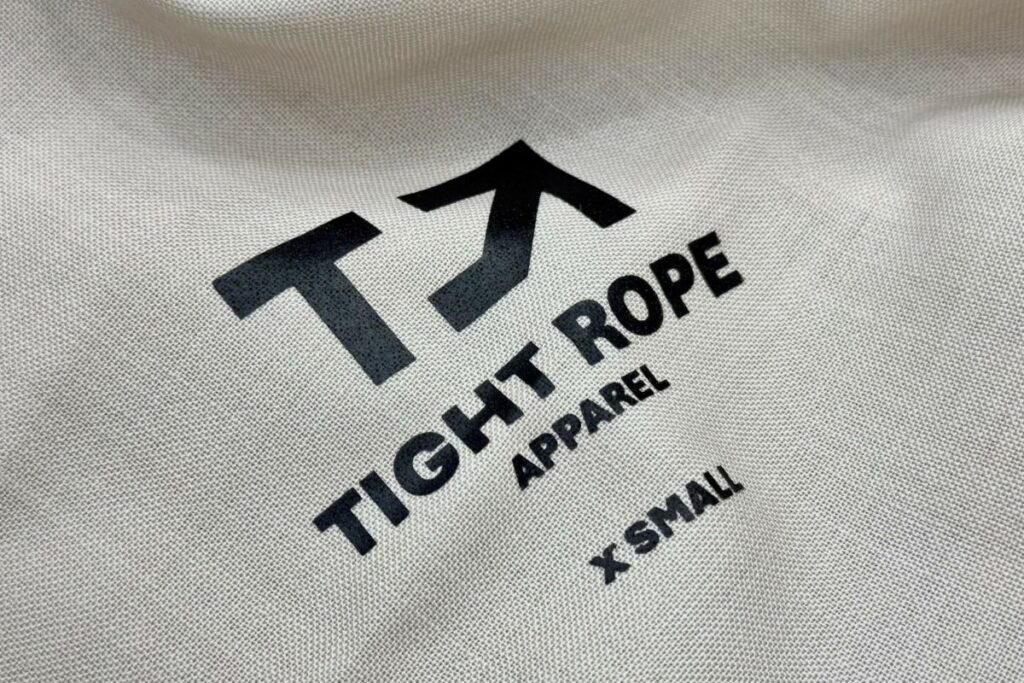
Available in a variety of colours, finishes and print options, heat transfers provide a versatile branding solution for businesses looking to create a polished and consistent look across their product range.
How Do Heat Transfers Work?
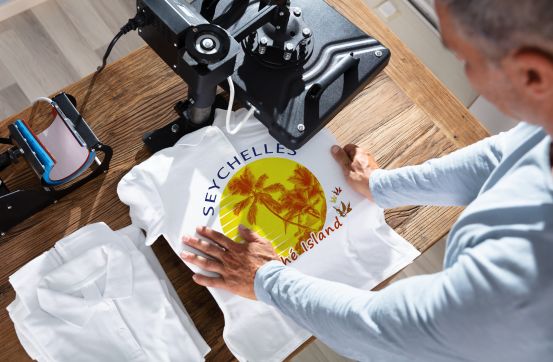
The application process is straightforward, but precision is essential to achieve the best possible results!
Using a professional heat press, the transfer is positioned onto the garment before heat and pressure are applied for a specified amount of time. Once the transfer has bonded with the fabric, the carrier film is removed, leaving behind a crisp, durable design.
When manufactured and applied correctly, high-quality heat transfer labels offer excellent durability, maintaining their appearance through repeated washing and everyday wear. You can use our handy guide which goes through how to apply transfers, here.
Because they can be applied to a wide variety of fabrics and garment styles, they’re widely used across fashion, sportswear, workwear, promotional clothing and children’s apparel.
The Benefits of Heat Transfers
Heat transfer labels offer a range of practical and aesthetic benefits, making them a popular choice across many industries.
Clean, Professional Branding
Applied directly to the fabric, heat transfer labels create a smooth, modern finish that showcases your branding without adding additional bulk.
Excellent Durability
Designed for everyday use, quality heat transfer labels retain their appearance through regular washing when applied correctly, making them suitable for garments that are worn frequently.
Highly Customisable
From simple logos to detailed graphics, care instructions and sizing information, heat transfer labels can be tailored to suit your exact branding requirements.
Suitable for a Wide Range of Garments
Heat transfer labels are commonly used on t-shirts, hoodies, sportswear, uniforms, children’s clothing, promotional apparel and many other textile products, offering flexibility across different product ranges.
A Versatile Branding Solution
Every garment has different branding requirements. Heat transfer labels provide another option within a wider branding strategy and can work alongside woven labels, printed labels and other garment branding solutions depending on the look, application and finish you’re aiming to achieve.
Frequently Asked Questions
How long do heat transfers last?
When professionally manufactured and applied correctly, high-quality heat transfer labels are designed to withstand regular washing and everyday wear. Their lifespan will depend on factors such as the fabric, application method and garment care, but they are made to provide long-lasting performance.
Are heat transfers suitable for all types of clothing?
Heat transfer labels can be applied to many different types of garments, including t-shirts, hoodies, sportswear, workwear, children’s clothing and promotional apparel. The best solution will depend on the fabric and intended use, so it’s always worth discussing your requirements with your supplier.
Can heat transfers be customised?
Yes. Heat transfer labels can be fully customised with your logo, brand colours, sizing information, care instructions, QR codes, graphics and other design elements to create a consistent brand identity across your product range.
Are heat transfer labels washable?
Yes. Quality heat transfer labels are designed to maintain their appearance through repeated washing when applied correctly and cared for according to washing instructions.
What information can be included on a heat transfers?
Heat transfer labels can include logos, brand names, care instructions, sizing, country of origin, fibre composition, QR codes and other important product information, making them a versatile branding solution for clothing manufacturers and retailers.
What is the difference between a heat transfer label and woven labels?
Both are excellent clothing branding solutions, but they offer different finishes and applications. Heat transfer labels are applied directly to the fabric using heat and pressure, while woven labels are sewn into the garment. The right choice depends on your branding, garment style and the finish you’re looking to achieve. You can use heat transfers for designs, and still opt for a traditional woven label or swing tag for that extra personalised flare!
Why choose heat transfers for your clothing brand?
Heat transfers offer a professional, customisable branding solution that works across a wide range of clothing. They’re ideal for businesses looking to create a clean, consistent brand identity while incorporating important information such as care instructions, sizing and logos.
Looking for high-quality custom heat transfer labels?
Whether you’re launching a fashion collection, producing branded workwear or creating promotional clothing, our team can help you find the right labelling solution for your products. Get in touch today to discuss your requirements or request a sample pack.